ops@cttlfa.com Grosvenor Road, Rondebosch A SAFA Cape Town Local Football Association
CTTLFAEst. 1993
Home History & Heritage Past Champions Hall of Fame All Fixtures Match Centre Submissions Junior Combined Logs Weekend Results Knockouts Senior Football Junior Football Mini Football Women's Football Clubs Club Zone · Live Dashboard Grounds & Directions Referees Safeguarding News & Events Gallery Fees & Joining Governance Meet the Office Clubs Seeking Affiliation Disciplinary Process Contact
Fees & Joining View Match Centre
Follow us
Est. 1993 · 30+ Years Affiliated to SAFA Cape Town
The official online home of CTTLFA

Three decades of football right across Cape Town

The official SAFA-affiliated home of the Cape Town Tygerberg Local Football Association. Every club, every fixture, result and log across the region, since 1993.

Cape Town Tygerberg LFA crest
Latest
0
Registered players
0
Clubs
0
Teams
0
Leagues & divisions
0
Registered referees
0
Established
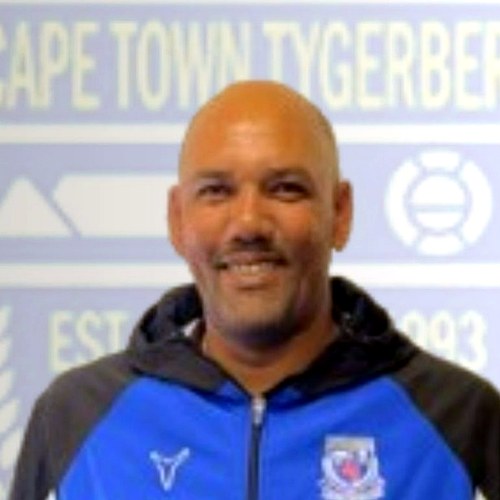
Donovan Neilson
Welcome to the official home of Cape Town Tygerberg football. For over thirty years the association has organised the game for clubs right across our city, and whoever you are, there is a place for you here.
Donovan Neilson, President
A grassroots game

Who plays our football

Registered-player figures for the 2025 season, supplied by SAFA Cape Town as at 31 October 2025. Two out of every three registered players are children.

18 335
Registered players
SAFA Cape Town · 31 Oct 2025
12 066
Juniors
66% of registered players
6 269
Seniors
34% of registered players
54
Registered referees
Under juniors · our youngest players

Mini football, where it all starts

Our Mini section, the U/7 to U/11 age groups, is the entry point to the whole game. In 2026 clubs entered 299 mini teams, close to a third of every team in the association. Mini numbers are the leading indicator of our future: today's U/8 is tomorrow's senior player, coach and referee, so we watch this section closely and back the clubs that grow it.

More on junior football →
299
Mini teams (2026)
U/7–U/11
Age groups
~⅓
Of all teams
Small-sided
Development format
Live from the pitch

Match Centre

Fixtures, results and standings — updated each match day by the association's competitions office.

Full Match Centre

Upcoming Fixtures

A1 Premier

Latest Results

Round 14

Premier Log

Top 6
Latest updates

Straight from our Facebook

Results, match-day photos and announcements land on our Facebook page first, often the same day, like our latest InterLFA results. It is the page we update every week, so follow @capetowntygerberg to never miss a beat across the league.

Cape Town Tygerberg FA
@capetowntygerberg
Our Facebook feed

The live feed loads from Facebook once you accept cookies. Facebook may set its own cookies.

Or open our page on Facebook ↗
The latest

News & Announcements

Match reports, association updates and everything happening across the league.

All News →
In pictures

From the Albums

Finals day, awards evenings and the golf day — moments from around Tygerberg football.

Full gallery →
Our mission

Football, without compromise.

To provide, without compromise, professionally organised league and cup competitions and quality administration for all stakeholders within the Cape Town Tygerberg Local Football Association.

  • #PlayAndRespect — a season-long campaign empowering coaches and players.
  • Transparent governance — constitution, financials and reporting published for members.
  • Development first — pathways from under-7 grassroots to senior competition.
About the Association →
A–I
Senior to Youth grades
Vets
035 · 040 · 045 · 050
Women
Ladies leagues
Cups
Knockout competitions
Affiliated to
Website sponsored by
Partner with us Sponsorship options →
1
Four age groups, one club

For each Premier tier we take the Under-12, Under-14, Under-16 and Under-18 logs and group every club's teams together.

2
Added, then ranked

We add each club's points, goal difference and games played across all four teams, then rank the clubs by total points (goal difference splits ties).

3
Individual positions shown

The right-hand columns show where each club sits in its own age-group log, so you can see the strong and weak age groups at a glance.

Green highlights the log leader. Pts, GD and P under "Combined" are the club's totals across all four junior age groups; the right-hand columns show each club's position in its own age-group log.

Not sure which one? Use a Match Result form for the score (Junior or Senior), the Team Return for the team and player list, and the Incident or Send Off report when something needs to be recorded.

If a button will not open, type the address into your browser: cttfa.co.za/junior-match-result, /senior-match-result, /team-return, /referee-incident-report or /referee-send-off.

CTTLFA crest Association-wide · senior & junior

Weekend Results

Every score from across the Cape Town Tygerberg LFA, senior and junior, in one place.

The family

Affiliated Clubs

The clubs that make up the Cape Town Tygerberg Local Football Association. Tap a club to see its teams and how they're performing across the league; use the icons to visit their website or Facebook.

Where our clubs are

Our fifty member clubs are spread right across Cape Town, from Table View and Bothasig in the north to Camps Bay and Green Point on the seaboard, Fish Hoek in the south and out to Macassar and Somerset West in the east. Each pin sits on the club's home ground, drawn from the 2026 fixtures. Tap a pin for the ground and one-tap directions.

Full member Associate member Pins mark each club's home ground; a few are placed at suburb level. Confirm the exact field against the fixture.
Newsroom

News & Events

Match reports, announcements and the fixtures diary, plus live updates straight from our Facebook page.

Latest from Facebook
@capetowntygerberg
Our Facebook feed

The live feed loads from Facebook once you accept cookies. Facebook may set its own cookies.

Or open our page on Facebook ↗
Diary

Upcoming Events & Tournaments

Key dates across the CTTLFA calendar.

Cup Finals →
Wayne Engelbrecht
Our match officials make the game happen every weekend. If you have ever thought about taking up the whistle, the association will help you get started.
Wayne Engelbrecht, Head of Referees

The role of the referee

The referee is the sole on-field authority for a match. He or she applies the seventeen Laws of the Game, keeps players safe, manages the contest fairly, and protects the spirit of the game. The referee's decisions on points of fact connected with play are final. Assistant referees support the referee in the senior promotion leagues.

Good refereeing is quiet, consistent and respected. It lets the football, and the players, be the story. Every club, player, coach and spectator shares a duty to respect match officials and to support them in doing a difficult job well.

50
Active officials
1 787
Fixtures officiated (2025)
13
Courses presented (2025)
56
Assessments (2025)

How refereeing is structured at CTTLFA

Head of Referees

An elected member of the Management Committee who oversees the operational work of the Referees Committee, reports monthly to Mancom, and is the liaison with SAFA Cape Town and SAFA National on courses and match-official matters (Constitution 7.14).

Referees Committee

Runs refereeing day to day: it registers and grades officials, tables the referee lists each season, appoints referees to the senior promotion leagues through its appointment convenor, and maintains the referees' code of conduct.

Cape Town Tygerberg Referees

The collective of match officials: registered CTT referees, non-club affiliated referees and the club referees supplied by every affiliated club. Together they cover the league and cup programme each weekend.

Head of RefereesWayne Engelbrecht · Constitution 7.14
Deputy Head of RefereesJerome Damon
AdministratorAppointments & records
Senior ConvenorSenior appointments
Junior ConvenorJunior appointments
AssessorWeekly assessment
Training & DevelopmentCourses & pathway
Cape Town Tygerberg RefereesRegistered CTT officials, non-club referees & the club referees each affiliated club supplies

Where it fits: the framework we follow

FIFA Laws of the Game

The seventeen Laws, maintained by the IFAB, govern how the game is played and officiated worldwide. Every CTTLFA match is played under them.

SAFA

Referees are registered through SAFA, and courses and examinations are run with the SAFA National Examinations Board. Our standards follow SAFA and SAFA Cape Town.

CTTLFA Constitution

Establishes the Head of Referees and the Referees Committee, and their duties within the association's governance.

Rules & Regulations

Set out appointments, referee grading, the club obligation to supply officials, and how the game is run on match day.

Referees Committee Constitution

Referee grades

SLSimplified Laws of the Game — for ages 12 to 15 years
L1Level 1 — officiate at junior promotional games and assistant referee at senior promotional games
L2Level 2 — officiate in all CTTLFA leagues
L3Level 3 — officiate at SAFA Regional level
L4Level 4 — officiate at SAFA Regional & Provincial level
L5Level 5 — officiate at SAFA Regional & Provincial level

What good looks like

Fitness and positioning, a sound knowledge of the Laws, consistency, calm communication, and respect shown both ways between officials and players. Officials are assessed through the season and supported to improve.

Start
Course & registration

Attend an LFA / SAFA referees' course and pass the examination.

SL
Simplified Laws

For ages 12 to 15 years.

L1
Level 1

Officiate at junior promotional games and assistant referee at senior promotional games.

L2
Level 2

Officiate in all CTTLFA leagues.

L3
Level 3

Officiate at SAFA Regional level.

L4
Level 4

Officiate at SAFA Regional & Provincial level.

L5
Level 5

Officiate at SAFA Regional & Provincial level.

Officials are assessed through the season and supported to progress. In 2025 the department presented thirteen courses and completed fifty-six assessments.

What clubs must do

Every affiliated club supplies at least two qualified referees who are available to officiate their home games (Rules & Regulations 2.8). If a club does not have two qualified members, it must send members to a referees' course and pass the examination. Club referees are submitted to the Referees Committee before the season, on the prescribed form, with their current grading.

Referee courses & development

The association runs referees' courses through the season with the SAFA National Examinations Board, from entry level through the grades, followed by examination. In 2025 the referees' department presented thirteen courses across various venues, supported weekly referee assessment, and mentored a group of talented young officials into the ranks.

  • Entry-level through to senior grades, with examination.
  • Weekly assessment and mentoring to develop officials.
  • A development pathway for young match officials.
  • Simplified Laws and Levels 1 to 3 are conducted by the LFA, Level 4 by the Region, and Level 5 by the Province.
843
Junior appointments (2025)
944
Senior appointments (2025)
SAFA
Examinations Board
CPD
Ongoing development

The SAFA & CAF course pathway

Beyond match-day officiating, football's coaching and development qualifications follow the SAFA and CAF course pathway, delivered in our region by SAFA Cape Town. It runs from the entry-level D course up to the elite A course, with each level building on the one before. Match officials, in turn, progress through SAFA's officiating grades from local level into regional, national and ultimately FIFA appointments. Both pathways start with a course through SAFA Cape Town.

SAFA D
Entry level

The introductory course and the starting point for grassroots coaching and development.

CAF C
Developing

Builds on the D licence with deeper technical, tactical and match-management content.

CAF B
Advanced

An advanced qualification for those working at a higher competitive level.

CAF A
Elite

The top of the CAF pathway, for the senior competitive game.

Courses are run through SAFA Cape Town. Referee and coaching courses, their dates and how to enter are handled by our regional mother body. See the current course offering at SAFA Cape Town, or speak to the association's referees' department to get started with officiating.

Become a match official

Interested in taking up the whistle, or getting your club's referees registered and graded? Speak to the association office and the referees' department.

Get in touch →
Gregory Nicholls
Senior football is the competitive heart of the association, played across our divisions every weekend, hard, fair and well.
Gregory Nicholls, Vice-President: Senior Football

What senior football is

Senior football brings together the association's senior teams in league and cup competition across the season. It is competitive, structured and played to SAFA standards, with promotion and relegation between divisions and knockout football running alongside the leagues.

For the current divisions, fixtures, results and standings, the Match Centre is always the live picture. This page is the home of the senior game itself, its focus and its people.

Competitive
League football
Promotion
And relegation
Cups
Knockout football
Weekend
Every match day

Our focus this season

Raising standards

Well-organised fixtures, quality officiating and a consistent match-day experience across every division.

The promotion pathway

A clear, fair route between divisions that rewards clubs building their football the right way.

Respect and discipline

A game played hard and fair, where players, coaches and officials are respected on and off the field.

A stronger senior game

Supporting clubs to field settled sides and grow the depth and quality of senior football in the region.

Following senior football

Match Centre

Fixtures, results and league logs for every senior division, updated each match day.

Open Match Centre →

Knockout Cups

The senior cup draws, brackets and finals as they are played through the season.

Cup football →

Clubs

Find a senior club, see how its teams are performing and follow it through the season.

Browse clubs →

Entering senior teams

Team entries and fees for the season are handled through your club and the association office. Speak to us about entering your senior sides.

Fees & how to join →
Grant Scholtz
Junior football puts enjoyment and development first, in a safe environment where every child has a pathway to grow.
Grant Scholtz, Vice-President: Youth Football

What junior football is

Junior football gives young players their first taste of organised, age-group competition. It is fun-first and development-led, played in a safe environment where children learn the game, make friends and grow in confidence, season by season.

Safeguarding sits at the centre of everything we do in the junior game. For live age-group fixtures, results and standings, the Match Centre is always the current picture.

Age-group
Football
Development
Comes first
Fun
And participation
Safe
Positive spaces

The Mini section — U/7 to U/11

Mini football is where a child's football life begins. The Mini section covers the U/7 to U/11 age groups and is played small-sided, in the format set out in our Rules and Regulations, built around touches on the ball, enjoyment and belonging rather than results.

It is also the number the association watches most closely. Mini participation today is the single best indicator of our junior and senior numbers in the years to come, because these are the players, coaches and referees of the next decade. In 2026 clubs entered 299 mini teams, close to a third of every team in the association, and we work with clubs to keep that base strong and growing.

299
Mini teams (2026)
U/7–U/11
Age groups
Small-sided
Development format
Fun-first
Every child plays

Our focus this season

Participation for all

Getting as many children as possible playing, in teams where every child gets time on the field.

The development pathway

Age-appropriate football that builds skills and a love of the game from the youngest ages upward.

Safe and positive

Safeguarding first: clubs, coaches and parents working together to keep the junior game safe and enjoyable.

Supporting coaches

Backing the volunteers who give their time so that junior football is well run and rewarding for everyone.

Following junior football

Match Centre

Fixtures, results and standings across the junior age-group leagues, updated each match day.

Open Match Centre →

Junior Combined Logs

Our combined junior aggregate tables — each club's Under-12 to Under-18 teams added together and ranked as one, per Premier tier.

View combined logs →

Clubs

Find a club that runs junior teams in your area and get your child into the game.

Browse clubs →

Getting your child into football

Junior registration and team entries are handled through affiliated clubs and the association office. Speak to us or find a club near you.

Find a club →
Desiree da Silva
Women's football is one of the fastest-growing parts of our game, and every player deserves the chance to compete and belong.
Desiree da Silva, Vice-President: Women's Football

What women's football is

Women's football brings together women's and girls' teams in league and cup competition, and it is growing every season. It offers a genuine, competitive home for players of every age who want to compete, improve and be part of a football community.

Our aim is a game that keeps growing, with more teams, more players and more opportunity. For live fixtures, results and standings, the Match Centre is always the current picture.

League
And cup football
Growing
Every season
Every age
Women & girls
Opportunity
To compete

Our focus this season

Growing the game

Bringing more clubs, teams and players into women's football across the region.

Creating opportunity

A competitive, well-run programme that gives every player a real chance to play and progress.

Player pathways

Building routes from girls' football into the women's game and keeping players in the sport.

Visibility and support

Giving the women's game the profile and backing it deserves, on the field and off it.

Following women's football

Match Centre

Fixtures, results and standings for women's competition, updated each match day.

Open Match Centre →

All Fixtures

Every remaining fixture across all divisions and cups, with grounds and kick-off times.

All fixtures →

Clubs

Find a club running women's or girls' teams and get involved.

Browse clubs →

Entering women's teams

Team entries and fees for the season are handled through your club and the association office. Speak to us about growing women's football with your club.

Fees & how to join →

How mini football is organised

Our mini programme runs across three zones, shown here by colour. Each club is placed in the zone closest to it, so young children play their football locally and parents spend less time on the road. Within a zone, clubs field teams at each age group from Under-7 to Under-11.

Find your club below to see its zone and how many teams it runs at your child's age. The map shows where every mini club plays, coloured by zone.

Where the clubs play

Every mini club on the map, pinned at its home ground and coloured by zone. Tap a pin for the club, its ground and directions.

Pins are placed at each club's registered home ground, coloured by zone. Tap a pin for the club, its ground and directions.

Find your club and zone

The three zones and the clubs in each, with the number of teams entered at every age group for the current season. Totals are shown at the foot of each zone.

How mini football is played. At Under-7 to Under-11 the game is about first touches, confidence and enjoyment rather than league tables. Teams play within their zone so travel stays short for families, and match days are arranged locally between the clubs. Children register through their club. The rules below are the association's Mini Football regulations, issued by the Vice President: Youth Football and sent to all clubs, and they apply the same way across the Blue, Green and Purple zones.

Rules & format

Mini football is played in two age bands, each with its own format, ball and pitch size. Here is how a match day works, followed by the principles that apply to every age group and the full rule documents to download.

On the dayUnder-7 · 8 · 9Under-10 · 11
Format on the field5-a-side (GK + 4)9-a-side (GK + 8)
Squad, club v clubMax 8Max 12
Match length3 × 10 min periods2 × 20 min halves
BallSize 3Size 4
Field25m × 35m73m × 50m (half pitch)
GoalsHockey goalsJunior goals
Penalty spot6m8m
Goal kicksNo — keeper throws / rollsYes
OffsideNoneNone

No card, no play

Every player must be registered for the season, and all coaches, managers and referees must be SAFA (Cape Town) card-carrying members.

Everyone plays

Unlimited rolling substitutions. In the Under-7 to Under-9 game every child must play at least one full period.

No fixed goalkeepers

Before Under-10 a different child goes in goal each period, so no one is pigeon-holed as the keeper too early.

No offside, no camping

There is no offside, but players may not "camp" more than two metres beyond the last defender. Officials guide the children.

Only the referee on the pitch

Coaches and substitutes stay off the field. Where space allows they may stand behind the goal near the corner, never behind the posts.

Safety first

The hosting club has a trained first aider on match days. No spectators behind the goal line, and everyone stays two metres off the touchline.

The rules in full

What our Constitution says

Development is a founding object

Object 2.1 of the Constitution commits the association to the encouragement, promotion, development and administration of football across its area, on a basis of non-racism, non-sexism and non-ageism, so that age is never a basis for excluding any child from the game. Mini football is where that development begins.

Youth football has its own leadership

The Constitution creates dedicated Youth Football and Technical Development portfolios, chaired by the Vice President: Youth Football (article 7.10), who is responsible for the youth and development leagues, for setting up age-group structures and competitions with the Operations Manager, and for keeping youth on the agenda at every General Meeting.

In short: mini and youth football are not an afterthought in our rules. They sit in the objects of the association and carry their own committee and office-bearer, because the youngest players are where the association's future is built.

Getting your child started

Registration and team entries for mini football are handled through affiliated clubs and the association office. Find a club near you, and read how we keep children safe in our football.

Find a club → Safeguarding

Why safeguarding matters

Safeguarding is protecting children and adults at risk from abuse, harm and neglect, and giving them a positive, enjoyable experience of football. It is not an add-on. It is a shared duty that sits with every club, coach, official, volunteer, parent and spectator in the association.

Clubs have a duty of care towards the young people in their charge. Getting safeguarding right protects children first, and it also protects volunteers and the club by making expectations clear and by dealing with concerns properly and consistently.

Every child
Has the right to be safe
Everyone
Shares the responsibility
Zero
Tolerance of abuse
Report
Concerns without delay
Start where you are. We know most clubs do not yet have a formal safeguarding process in place, and that is understood. The aim is not to have everything sorted overnight. It is to begin: to talk about it, name someone to hold it, and take the first few steps. The association is putting a simple safeguarding policy in place, aligned to the SAFA National Safeguarding Policy, that clubs can adopt, so no club has to start from a blank page.

Creating safe spaces: everyday good practice

Most of safeguarding is simply good coaching and a good club culture. These are the everyday habits that keep children safe and make the game more enjoyable for everyone. Many of them cost little or nothing, and every club can start today.

An open environment

Coach and work with children in the open, where others can see. Avoid being alone and out of sight with a child.

Appropriate distance

Keep physical contact appropriate and necessary. When you need to guide a young player, explain what you are doing and why.

Positive role models

Set the tone through your own conduct. Children learn respect, fair play and self-control from the adults around them.

Constructive feedback

Encourage and correct without shouting down or belittling. Feedback should build a player up, never tear them down.

Awareness

Know the signs, know who your Safeguarding Officer is, and know that a concern should always be passed on.

Skill and development

Well-run, age-appropriate sessions where children are learning and enjoying themselves are safer sessions.

The six safeguarding principles

Empowerment

People are supported to make their own decisions and give informed consent. Children are listened to and taken seriously.

Prevention

It is better to act before harm occurs. Good practice, awareness and clear boundaries stop problems before they start.

Proportionality

The response is the least intrusive one appropriate to the risk presented, and is measured and fair.

Protection

Support and representation are given to those in greatest need, and action is taken to keep them safe.

Partnership

Safeguarding works best when clubs, families, the association and local services work together.

Accountability

Everyone is clear about their role, and safeguarding practice is transparent and open to scrutiny.

Building a safe club, step by step

You do not need all of this on day one. Think of it as a path to build along, starting with the first two or three and adding the rest over time. This is what a well-safeguarded club looks like once it is fully in place.

1
A Safeguarding Officer

A named, contactable person responsible for safeguarding at the club, who receives concerns, keeps records securely and knows how to escalate.

2
Vetting of adults

Anyone working with children is screened before they start: a SAPS police clearance, the National Register for Sex Offenders under the Criminal Law (Sexual Offences and Related Matters) Amendment Act 32 of 2007, and Part B of the National Child Protection Register under the Children's Act 38 of 2005.

3
A safeguarding policy

A written policy that says how the club keeps children safe, who is responsible, and what to do when a concern is raised. Reviewed regularly and shared with everyone.

4
A code of conduct

Clear standards of behaviour for coaches, volunteers, players, parents and spectators, agreed up front and applied consistently.

5
Training and awareness

Everyone who works with young people knows the basics: what abuse looks like, what good practice looks like, and how to report a concern.

6
Risk assessment

Activities, trips, tournaments and travel are thought through in advance so that foreseeable risks to children are managed.

Not sure where to begin? Start with three things: name a person at the club who will hold safeguarding, agree a short code of conduct for coaches, players and parents, and adopt the association's safeguarding policy once it is available. That is a real start, and you can build from there.

Recognising when something is wrong

Categories of abuse

1Emotional — persistent lack of love or attention, harsh criticism, threats, or being constantly put down.
2Physical — being hurt on purpose, including through excessive or inappropriate training or exercise.
3Sexual — any sexual activity or contact with a child, in person or online.
4Neglect — failing to meet a child's basic needs, or leaving them at risk of harm, cold, hunger or injury.

Poor practice to watch for

Unnecessary physical contact, spending time alone with a child away from others, favouritism, sharing lifts or private messages inappropriately, or ignoring the club's own rules. Poor practice is not always abuse, but it creates risk and must be addressed. Trust your instincts. If something does not feel right, raise it.

If a child tells you something

Do

  • Stay calm, listen carefully and take them seriously.
  • Reassure them they were right to tell you.
  • Record what was said, in the child's own words, as soon as you can.
  • Report it to the Safeguarding Officer promptly.

Don't

  • Promise to keep it a secret. You cannot.
  • Investigate, question or interview the child yourself.
  • Confront the person the concern is about.
  • Delay. Pass it on the same day.

Reporting a concern, step by step

1
Something worries you

A child tells you something, or you notice signs of harm or poor practice.

2
Respond well

Stay calm, listen and reassure. Do not promise to keep it secret, and do not investigate.

3
Write it down

Record what was said or seen, in the child's own words, with the date and time.

4
Report the same day

Tell your club's Safeguarding Officer without delay.

5
The Officer acts

They assess, keep a secure record, and refer the matter to the authorities where needed.

If a child is in immediate danger, contact the SAPS on 10111 or Childline South Africa on 116 first, then tell the Safeguarding Officer.
Where it fits. Our approach aligns with the SAFA National Safeguarding Policy and the SASCOC safeguarding policy for all sport, and follows the duty of care clubs owe to children, the Children's Act 38 of 2005 and the National Child Protection Register, the Criminal Law (Sexual Offences and Related Matters) Amendment Act 32 of 2007, and the Protection from Harassment Act 17 of 2011. As a SAFA affiliate the association is required to have its own safeguarding policy, which it is now putting in place. If a child is in immediate danger, contact the SAPS on 10111 or Childline South Africa on 116.
Need to report a safeguarding concern? Speak to your club's Safeguarding Officer, or report it to the association. If a child is in immediate danger, call SAPS 10111 or Childline 116 first.
Report a concern →
Affiliation is decided once a year, by the members. New clubs are admitted at the Annual General Meeting, held in November. The members vote on each application. The Management Committee considers applications first, but it is the AGM that admits a club (Constitution Articles 4.1 and 6.2).

Who can apply

Full membership

Open to a club made up of at least two senior and two junior teams. Full members have a vote and take part in the league and cup programme (Article 4.1.4).

Associate club

For clubs that do not yet meet the two-senior, two-junior test: youth only, seniors only, ladies only, or a mix. If the club later grows to two-plus-two, it applies afresh for full membership (Article 4.5).

Organisations

Bodies that provide football but do not match the definition of a club may affiliate as organisations, and fall under the association's articles, rules and disciplinary code (Article 4.2.2).

How affiliation works

1
Apply in writing, at least 45 days before the AGM

Your written application must reach the association no later than forty-five days before the Annual General Meeting, and must include your club's own constitution (Articles 4.1.1 and 4.1.2).

2
The Management Committee considers it

Applications are considered by the Management Committee ahead of the AGM. The committee prepares the matter for the members to decide.

3
The members vote at the AGM

The Annual General Meeting, held in November, admits new clubs. Admission is a decision of the members, not of the committee alone (Articles 4.1.5 and 6.2).

4
Complete the form and pay the fees

On admission, complete the affiliation form and settle the entrance, affiliation and administration fees to activate membership for the season (Article 4.2.3.1).

5
One-year probation

New members serve a one-year probationary period. Their first season is assessed at the following AGM before full membership is granted (Article 4.1.7).

What it costs to join

Joining fees

On application & admission
Entrance fee — new club applicationNon-refundable (Article 5.1)R3 000
Affiliation feeArticle 5.1R2 750
Annual administration fee per clubArticle 5.2R6 250

Then, per season

Team entries & player cards
Additional team feesPer division
SAFA player registration cardsPer player
The full team-entry and player-card schedule is on the Fees & How to Join page. The entrance fee for a new club application is not refunded, whatever the outcome.

Timing at a glance

1
~Sep

Applications close

Written application, with your club constitution, at least 45 days before the AGM.

2
Oct

Committee review

The Management Committee considers applications ahead of the meeting.

3
Nov

AGM vote

Members vote to admit new clubs at the Annual General Meeting.

4
New season

Affiliate & enter

Pay fees, complete the form, enter teams and register players.

The affiliation application form can be downloaded below, and is also available from the association office. Send your completed form, together with your club's constitution, to the General Secretary within the deadline above. Speak to the office early if you are unsure whether your club qualifies for full or associate membership.

Ready to start the conversation?

Contact the association office to request the affiliation form and to talk through your club's application before the deadline.

Contact the office →
2026 Season

Fees & How to Join

What it costs to affiliate, enter teams and register players for the season — and the steps your club follows with the association office.

There is no online sign-up on this website. Affiliation, team entries and player registrations are handled by the association office each season, through your club — not through this site. This page sets out the fees and the steps so your club knows what to prepare; to start, speak to the office.

How registration works

1
Affiliate your club

Confirm affiliation for the season and settle the annual affiliation and administration fees with the office.

2
Enter your teams

Submit team entries per division through the association office by the entry cut-off: 28 February for senior teams and 15 April for junior teams (Rules & Regulations 3.20). An additional-team fee applies for each team entered.

3
Register your players

Register every player with SAFA Cape Town through your club and obtain a SAFA (CT) registration card, valid two years.

4
Card before the deadline

A player is only eligible once correctly registered and carded before the cut-off. Fielding an unregistered player can trigger a protest and a points deduction.

Season registration calendar

1
Nov – Dec

Affiliation Opens

Clubs confirm affiliation for the new season.

2
Jan – Feb

Team Entries

Senior team entries close 28 February.

3
Feb – Apr

Player Registration

Players carded; junior team entries close 15 April.

4
Mar – Oct

Season

The season runs March to October, home and away.

2026 fee schedule

Club & team fees

Per season
Annual affiliation feeR2 750
Administration feeR6 250
New club applicationNon-refundableR3 000
Additional team — SeniorR1 850
Additional team — JuniorR850
Additional team — LadiesR1 850
Additional team — MinisR550
Guest team — Men / LadiesR3 000

Player registration

SAFA (Cape Town) cards
Registration card — SeniorValid 2 yearsR45
Registration card — JuniorValid 2 yearsR25
Replacement / lost cardR100
Team return booksR100
Note: player registration and SAFA cards are processed through SAFA Cape Town via your club, and billed per player on the schedule above.

2026 schedule of fees as approved by the association. Protest, complaint and appeal fees are shown on the Disciplinary Process page.

Transparency & oversight

Governance & Association

The people, rules and documents that govern Cape Town Tygerberg football.

About the Association

Established in 1993, the Cape Town Tygerberg Local Football Association is a Local Football Association affiliated to SAFA Cape Town. A democratically-elected Management Committee oversees competitions, referees, discipline, finance and development, reporting to members through regular meetings and the Annual General Meeting. The association is a registered Non-Profit Organisation (NPO 319-631) and an approved Public Benefit Organisation (PBO 930041412).

  • Constitution 2026 — governing rules of the association.
  • Rules & Regulations — competition and disciplinary framework.
  • Audited financials — reported to members at the AGM.
AGM
Annual reporting
Mancom
Management Committee
Fincom
Finance oversight
DC
Disciplinary Committee

How the association is governed

Authority flows from the members. Elected structures run the game and are accountable back to the membership.

Members / AGMElect & approve Management CommitteeRuns the association Finance CommitteeBudget & oversight Disciplinary CommitteeHearings & appeals RefereesAppointments

Where we sit in the game

Cape Town Tygerberg is a Local Football Association: the grassroots tier of organised football. We are affiliated upward through SAFA Cape Town, our regional mother body, to SAFA, CAF and FIFA. That places our competitions, player registrations and referee standards inside the official South African and world football framework.

FIFA & CAFWorld and African governing bodies
SAFASouth African Football Association — the national body
SAFA Cape TownOur regional mother body
Cape Town Tygerberg LFAOur Local Football Association — established 1993
Members & clubs50 affiliated clubs, and their teams, players and match officials

SAFA Cape Town governing documents

The statutes and standing orders of our regional mother body, SAFA Cape Town, under which the association is affiliated.

Management Committee

Disciplinary & Dispute ProcessHow to lodge protests, complaints and appeals correctly and on time — a plain-English guide for clubs.
Open guide →

The hard work behind the game

Behind a league of fifty clubs and hundreds of teams sits a great deal of quiet, unglamorous work: processing player registrations and SAFA cards, drawing up and updating fixtures, handling team entries and fees, answering clubs and parents, preparing match-day paperwork, and keeping the association's records straight. It is done by a small team who care about the game, and it is the reason the football happens at all.

The office team

Barry Petersen

Barry Petersen

Operations Manager
Full-time
Shiyaam Bennett

Shiyaam Bennett

Registrations
Full-time
Casey Syms

Casey Syms

Fixtures & Administration
Full-time
Kevin Barrett

Kevin Barrett

Disciplinary Committee Administrator
Part-time

Three full-time and one part-time member of staff, supporting the elected Management Committee and the whole membership.

What the office does

Registrations & cards

Processing player registrations and SAFA (Cape Town) cards for the clubs, and keeping the register accurate and up to date through the season.

Fixtures & competitions

Drawing up and updating the league and cup programme across every division, and keeping results and standings current each match day.

Entries & fees

Handling club affiliations, team entries and the fee schedule, and supporting the Treasurer with accurate records for the finance function.

Member support

The first point of contact for clubs, coaches, referees and parents: answering queries, issuing forms and keeping everyone informed.

Get in touch with the office

Registrations, entries, fixtures or a general query? The association office is here to help your club through the season.

Contact the office →

How the three documents fit together

The powers & the ceiling

Constitution

Creates the Association, its structures and powers. Houses the Dispute Resolution Committee and the arbitration route, and sets the fee and fine schedules. Where our documents are silent, SAFA Cape Town and SAFA National apply.

How you lodge things

Rules & Regulations

The club's day-to-day manual for competitions. It sets out protests, complaints and appeals — who may lodge, the prescribed forms, the deadlines and the fees.

Offences & hearings

Disciplinary Code

Defines misconduct offences and sanctions, establishes the Disciplinary Committee and Appeal Committee, and governs how hearings are run and disciplinary appeals decided.

In short: the Constitution governs powers, structures and disputes; the Rules & Regulations govern protests, complaints and appeals; the Disciplinary Code governs offences, hearings and sanctions.

The process at a glance

Incident

On the field or off it

Protest / Complaint

Lodge in writing with fee

Within 4 days · R700
Disciplinary Committee

Hears and decides

Appeal Committee

If you disagree

Within 7 days · R1 000
SAFA Cape Town

Final external step

R5 000

Which route do you need?

Protest

Within 4 daysR700→ Disciplinary Committee

About a match — an ineligible or unregistered player, or a matter raised with the referee during the game. Lodged by a team directly involved.

Complaint

Within 4 daysR700→ Disciplinary Committee

Misconduct or an off-field offence by a team, official, player or club. Not against a referee's playing decision, unless corruption is alleged.

Disciplinary charge

Report within 72hHearing ≥72h notice

Red cards and misconduct are prosecuted by the Association. A send-off carries an automatic next-match suspension. You are entitled to notice and a fair hearing.

Appeal

Within 7 daysR1 000→ Appeal Committee

Against a Disciplinary Committee decision, on the facts or the law. Some minor sanctions cannot be appealed — check first.

Protests & complaints — at a glance

This is the same guide the association circulated to clubs. A protest is about a match; a complaint is about misconduct or an off-field offence. Both are lodged with the Disciplinary Committee, in writing, within the deadline, with the R700 fee and proof of payment attached.

Rule 11

Protest

About a match — an ineligible or unregistered player, or a matter raised with the referee during the game.

Within 4 daysR700+2 days for grounds
Who lodgesThe captain or a listed team official, recorded on the official return and signed on both team sheets on the day.
HowWritten notice of intention on the prescribed form, signed by a club executive, with the fee and proof of payment.
ThenFull written grounds and evidence within a further 2 days. Both clubs are asked to attend the hearing.
WhereThe Disciplinary Committee — dc@cttlfa.com
Start a protest by email →
Rule 12.1

Complaint

Misconduct or an off-field offence by a team, official, player or club.

Within 4 daysR700+2 days for full complaint
Who lodgesAny team, affiliate, official, player or club with an interest in the matter.
HowWritten notice of intention on the prescribed form, with the fee and proof of payment, then the full written complaint citing the rule breached.
Not thisNot a referee's decision on a point of play, unless corruption is alleged (Rule 12.1.2).
WhereThe Disciplinary Committee — dc@cttlfa.com
Start a complaint by email →
Right of appeal (Rule 13)

Not satisfied with a decision? Appeal to the CTTLFA Appeal Committee within 7 days, with the R1 000 deposit. A further escalation to SAFA Cape Town carries a R5 000 fee. Start an appeal by email →

Informal complaint (Rule 2.12.3)

A minor, day-to-day matter can be raised informally within 72 hours, with no fee, for the office to resolve. It does not replace a formal complaint where one is required. Raise it informally →

Deadlines & fees

ActionDeadlineFee
Protest — notice of intention4 days of the matchR700
Protest — grounds & evidence+2 days after intention
Complaint — notice of intention4 days of the incidentR700
Complaint — full written+2 days after intention
Red-card / send-off report72 hours
Appeal — notice of intention7 days of the decisionR1 000
Appeal — written reasons+5 days
Escalation — appeal to SAFA Cape TownR5 000

Deadlines are strict and run from the match or the decision. A protest, complaint or appeal without its fee and proof of payment inside the deadline is not entertained.

Step-by-step for clubs

Lodge a protest
  1. On the day — your captain or a listed team official records the protest with the referee before or during the match, and it is noted and signed on both team returns.
  2. Within 4 days of the match — submit a written intention to protest on the prescribed form, signed by a club executive, with the R700 fee and proof of payment (showing club, team, opponent and date). No fee in time, no protest.
  3. Within the next 2 days — submit your full written grounds with supporting statements, documents and evidence.
  4. Attend the hearing — both clubs are asked to be present at the Disciplinary Committee, which decides the protest on its merits.
  5. Not satisfied? Proceed to an appeal within 7 days.
Lodge a complaint
  1. Within 4 days of the incident — lodge a written intention to complain on the prescribed form, signed by a club executive, with the R700 fee. Not against a referee's playing decision unless you allege corruption.
  2. Within the next 2 days — submit the full written complaint with all the facts and the exact rule or article you say was breached.
  3. The Disciplinary Committee decides — outcomes can include a points forfeiture.
  4. Escalate via an appeal if needed.
Respond to a disciplinary charge
  1. Note any automatic suspension — a red card carries an automatic next-match suspension.
  2. Ask for particulars — you may request full particulars of the charge before the hearing, and you are entitled to at least 72 hours' written notice of it.
  3. Prepare — gather evidence and witnesses; you may arrange legal representation, and a minor must be assisted by a parent or guardian.
  4. Confirm attendance — if you cannot attend, tell the Association at least 24 hours before with your reasons, or the hearing may proceed without you.
  5. After the decision — if only the terms are given, you have 10 days to request the written grounds. Pay any fine promptly — a suspension runs until it is paid.
Lodge an appeal
  1. Check it can be appealed — warnings, reprimands, suspensions of three or more matches, and small fines cannot be appealed.
  2. Within 7 days of the decision — send a written notice of intention to appeal to the Appeal Committee, stating whether you appeal the verdict, the sentence, or both, and pay the R1 000 deposit before the deadline.
  3. Within a further 5 days — submit your written grounds: an inaccurate view of the facts and/or a wrong application of the law.
  4. The appeal is heard within 21 days — the Appeal Committee decides the matter on the verdict, the sentence, or both.
  5. Still aggrieved? You may escalate to SAFA Cape Town (R5 000) — but first send a copy of your notice and reasons to the association office (General Secretary).
Where to submit. Protests, complaints and appeals are lodged in writing with the association, addressed to the General Secretary, with the fee and proof of payment. Disciplinary correspondence goes to dc@cttlfa.com; general correspondence to gs@cttlfa.com or ops@cttlfa.com. See the Contact page for office details, and download the governing documents below.

Governing documents

Say hello

Get in Touch

Questions about fixtures, registration, referees or partnership? Reach out to the association office.

Email

General: gs@cttlfa.com · ops@cttlfa.com
Disciplinary: dc@cttlfa.com

Telephone

General +27 21 686 4004 · Juniors +27 21 689 4663

Office

Grosvenor Road, Rondebosch, Cape TownOpen in Google Maps →

Affiliation

SAFA Cape Town · SAFA National

Meetings

Regular meetings · Annual General Meeting

Registration

Non-Profit Organisation NPO 319-631 · Public Benefit Organisation PBO 930041412

Follow Us

Latest news, photos & match updates on Facebook

Biggest wins

Highest-scoring divisions

League leaders

Derived live from the current season feed. Open the Match Centre →

Accountability

Financial Transparency Centre

The association is funded by its members and holds their funds in trust. We publish our audited financials and treasurer reporting so members can see how money is raised and spent.

Audited Annual Financial Statements 2025

Prepared on the IFRS for SMEs basis, adapted for the association, and independently audited. The complete picture of income, expenditure, assets and reserves.

Find in documents →

Treasurer's Report 2025

The Treasurer's report to the Annual General Meeting: how the season was funded, the main cost drivers, and the association's financial position.

Find in documents →

AGM Pack & budget

The AGM-approved budget and supporting pack, showing the plan for the season and the fees that fund it.

Find in documents →

How your fees are used

Affiliation and administration fees, team-entry fees and SAFA card fees fund the running of the league: referee operations, competition administration, SAFA levies, discipline, insurance and development. The association operates to a balanced, AGM-approved budget and reports actual against budget to the Finance Committee through the season.

  • Budget approved by members at the AGM.
  • Actual against budget reviewed monthly by the Finance Committee.
  • Annual financial statements independently audited and presented to members.
AGM
Approves the budget
FINCOM
Monthly oversight
Audit
Independent assurance
Members
Full transparency
Looking for the documents? The audited financial statements, treasurer report and AGM pack are in the Downloads & Forms Library and on the Governance page.
One place for everything

Downloads & Forms Library

Every governing document, form and policy in one searchable place. Search by name or filter by type.

Documents open on the live site. Forms are submitted to the association office, not online. See Fees & How to Join.

Getting there

Club Grounds & Directions

Each club's home ground, with one-tap directions. Search by club, ground or suburb. Handy for away teams, match officials and visiting parents.

These are each club's usual home ground. A specific match can be moved or played on a different field, so always confirm the exact venue and kick-off against the fixture in the All Fixtures centre or with your club.

All Fixtures

See every remaining fixture, kick-off time and ground for the season, filtered to your club.

Open All Fixtures →

Find directions

Getting to an away ground? Search grounds and open directions in your maps app.

Club grounds & directions →

Safeguarding

Concerned about a child's welfare or conduct at a match? Here is how to report it safely.

Report misconduct →

How the season works

Registration, cards, fees and the football calendar, explained for families.

Fees & how to join →

Club Zone · live dashboard

Referee appointments, disciplinary rulings, card tracking and official notices, live from the association's dashboard.

Open Club Zone →

All your teams

Fixtures, results and log positions for every team your club fields, in the Match Centre and Club Hub.

Open Match Centre →

Fees & entries

Affiliation, team-entry and card fees, and the steps to enter teams and register players with the office.

Fees & how to join →

Forms & documents

Team-entry forms, the constitution, rules, disciplinary code and policies, all in one library.

Downloads & forms →

Discipline

Lodge a protest, complaint or appeal correctly and on time, with deadlines and fees.

Disciplinary process →

This week's appointments

Referee appointments for juniors, women and seniors are published live on the dashboard. Search your name or SAFA number for your matches.

Open referee appointments ↗ · Club Zone →

Become accredited

New to officiating? Complete a SAFA referees' course and register with the association.

Referee department →

Laws & discipline

Stay current with the IFAB Laws of the Game and the association's disciplinary code.

Disciplinary process →

Report submission

Send-off and incident reports go to the office within the required time. Contact us with any query.

Contact the office →

Our story

The Cape Town Tygerberg Local Football Association was established in 1993 to organise and grow amateur football in the Tygerberg region. Today its member clubs stretch right across Cape Town, from the northern suburbs to the Atlantic seaboard, the southern peninsula and out to the eastern suburbs. As a Local Football Association affiliated to SAFA Cape Town, and through it to the South African Football Association, the association runs league and cup competitions from the Premier Division down, across senior, reserve, veterans, women's and youth football.

Three decades on, the association is home to dozens of affiliated clubs and hundreds of teams, run by a democratically elected Management Committee and a body of volunteers, coaches and match officials. The heritage of the game in Tygerberg lives in its clubs, many of which have served their communities for generations.

1993
Founded
50
Affiliated clubs
300+
Teams
SAFA
Cape Town affiliate

The football calendar

How a CTTLFA season runs, from affiliation to finals.

1 Nov–DecAffiliation 2 JanuaryTeam entries 3 FebruaryRegistration 4 MarchKick-off 5 Mar–SepLeague season 6 Sep–OctCup finals 7 OctoberAGM

League structure

Senior league football, from the Premier Division down. Reserves, veterans, women's and youth competitions run alongside.

Premier Division First Division Second Division Third Division Fourth Division Fifth Division Sixth Division Promotion up · relegation down · reserves, veterans, women's & youth alongside

Player pathway

A place to play at every age and stage, from mini-football to veterans.

Mini-Football Youth · U12 to U18 Senior football Veterans · 35s to 50s Women's football runs across every stage.

Past Champions

The roll of league and cup winners across the association's competitions.

View past champions →

Hall of Fame

Honouring the players, officials and volunteers who shaped Tygerberg football.

Enter the Hall of Fame →

Governance

How the association is led and held accountable to its members.

About the association →
Roll of honour

Past Champions

League and cup winners across the association's competitions, season by season.

Winners are published here once confirmed by the association. Back to History & Heritage →

Association honours

2025 was a landmark year for the association, recognised twice by our regional mother body, SAFA Cape Town.

SAFA Cape Town LFA of the Year trophy 2025
SAFA Cape Town · 2025

LFA of the Year 2025

Cape Town Tygerberg was named Local Football Association of the Year by SAFA Cape Town for 2025. The award recognises the association’s organisation, the quality of its competitions and the service it gives to clubs, players and officials across the region. It is the standout honour in a strong year for Tygerberg football.

SAFA Cape Town Presidential Award 2025
SAFA Cape Town · 2025

SAFA Cape Town Presidential Award 2025

The association also received the SAFA Cape Town Presidential Award for 2025, presented by SAFA Cape Town President Bennett Bailey. It recognises Cape Town Tygerberg’s hard work, commitment and contribution to football within SAFA Cape Town, and its part in building a strong foundation for the game.

Leadership through the years

Leading Cape Town Tygerberg is a significant honour and a real responsibility. Since the association was founded in 1993, only a handful of people have carried it, giving their time, judgement and care to keep the football organised, fair and growing, season after season. The role was titled Chairman in the earlier years and became the Presidency more recently, held by Donovan Neilson since 2021. We record them here with gratitude for their service to the game and to the association.

1993–2004Eric DaltonChairman · founding era
2005–2009Deon TullekenChairman
2010–2021Andrew BothmanChairman
2021–presentDonovan NeilsonPresident

Life Members

Life Membership is the highest honour the association bestows. It is given to the men and women who have given years, in most cases decades, to Tygerberg football: running clubs, serving on committees, officiating, coaching and volunteering, quietly holding the game together weekend after weekend. Their service reaches well beyond the association, into the clubs, schools and communities they have carried along the way. We record their names here with gratitude and respect.

JR
John RomanLife Member
ED
Eric DaltonLife Member
DW
Dana WhitingLife Member
DE
Dawood EssackLife Member
EM
Etienne van der MerweLife Member
GC
Gordon CrumptonLife Member
LM
Linda MilneLife Member
AB
Andrew BothmanLife Member
KR
Kevin RomanLife Member
GN
Gregory NichollsLife Member
AH
Antony HaywardLife Member
ML
Mark LindonLife Member
GT
Ganie TambayLife MemberIn memoriam
DD
Denver D'OliveiraLife MemberIn memoriam
CP
Cassiem PanditLife MemberIn memoriam
LR
Les RundleLife MemberIn memoriam
TM
Terence MorganLife MemberIn memoriam

Roll of Honour

Every season the association honours the players, coaches, officials, volunteers and clubs who gave their best to Tygerberg football. These are the awards we present each year, together with the league and knockout titles won out on the field. It is our record of achievement and our thank you to the people and clubs who carry the game across the region. Select a season to see its award winners and the full league and knockout roll.

The reach

50
Affiliated clubs
800+
Teams, all ages
1000s
Registered players
U7–50+
Every age group
30+
Years established

Fifty member clubs field more than 800 teams every season, from Under-7 mini football all the way to over-50 veterans, which is several thousand registered players. Then add the people around every one of them: parents and families on the touchline, club coaches, managers and administrators, match officials, and supporters across the Tygerberg region every weekend. For a sponsor that is a committed, local audience in the tens of thousands, reached in person on match days and online through the site that clubs and families check for fixtures, results and logs.

Community sponsorship also carries real reputational value. You are visibly investing in youth development, health and social cohesion in communities right across Cape Town, and being seen to do it.

Ways to partner

Whatever your brand and budget, there is a way in. We welcome any organisation that wants real exposure to a large, loyal local audience, and we tailor every arrangement to fit.

League & competition naming

Put your name to a division, a cup, a finals day or the mini-football programme. The most prominent way to associate your brand with the football, season after season.

Kit & equipment

Back playing kit, match balls, training gear or medical kit. Your brand travels to every ground, every match day, on the players themselves.

Website & digital

Sponsor the site that clubs, players and families open every week for fixtures, results and logs, our most-visited space in season, with your brand alongside.

Club & team backing

Support a specific club or team in a community you care about. Local visibility where it matters most, with recognition in that club's communications.

Match-day & finals

Your brand at the finals and events that draw the biggest crowds of the season, in person and in the coverage that follows.

Youth & development

Invest directly in mini and junior football and be seen backing the next generation. Strong reputational value and a genuine community good.

Partnership levels

Club Supporter

Back a club

  • Logo on a club's page in the directory
  • Recognition in club communications
  • Support a team in your community
Enquire →
Featured Partner

League & competition

  • Featured placement on the homepage and Match Centre
  • A dedicated featured-partner page
  • Recognition at finals and the AGM
  • Association-wide visibility all season
Become a partner →
Principal Sponsor

Association-wide

  • Naming and top billing across the association
  • Prominent placement site-wide and match-day
  • A tailored, multi-season package
Talk to us →

Packages are tailored to each partner. Pricing and detail are shared on request.

Where your brand appears

HomepageSponsors strip & featured slot
Match CentreThe most-visited pages in season
Club HubAlongside the clubs you back
Featured pageYour own partner story
Match-dayFinals & events recognition
CommunicationsAnnouncements & match-day

Let's talk partnership

Tell us about your brand and we will put together a proposal that fits.

Contact the office →
For the media

Media Centre

Press releases, association facts and brand assets for journalists and content partners covering Tygerberg football.

1993
Established
50
Clubs
300+
Teams
18
Divisions
SAFA CT
Affiliation

Latest releases

Media resources

Brand & crest

The association crest and brand guidance for correct use in coverage. Available from the office on request.

Request assets →

Media enquiries

For interviews, comment, fixtures and results, contact the association office.

Email media enquiry →
Running your club

Club & Coach Resources

Practical guidance for the people who keep clubs running: secretaries, coaches and team managers.

Club Secretaries

Affiliation, team entries, player registration and cards, deadlines, and how to lodge protests and appeals correctly and on time.

Fees & how to join →

Coaches

Player welfare and safeguarding, matchday conduct, the laws of the game, and pathways to accreditation and development.

Laws & officiating →

Forms & documents

Team-entry forms, the constitution, rules, disciplinary code and policies, all in the Downloads & Forms Library.

Open the library →

Safeguarding

Every club has a duty of care to young players. How to raise a welfare concern or report misconduct.

Report misconduct →

Your teams' results

Track every team your club fields across the league in the Match Centre and Club Hub.

Club dashboard →

Fees & finance

Affiliation, administration, team-entry and card fees, and how the association's finances are governed.

Financial transparency →

Football insurance & injury claims

Players registered with a SAFA-affiliated club are covered under the SAFA group soccer insurance policy, arranged through Delphisure Group Insurance Brokers, for the 2025/26 season (1 August 2025 to 31 July 2026). Clubs should keep these documents on hand and follow the correct claim process promptly after any injury.

Everything in one place

Site Guide

A quick map of the whole site. Every section, grouped, with a one-line description — tap any item to go straight there.

Legal & policies: Privacy · Cookies · POPIA · PAIA · Terms · Accessibility
404

That page has gone off the pitch

We could not find the page you were looking for. It may have moved, or the link may be out of date.